Imagine selling the rights to your masterpiece, only to watch someone mangle it, tear it down, or lock you out of using your own creation. You’d assume signing the contract sealed your fate, right?
Not quite.
Ownership of the copyright is not always the end of the story. Under Indian copyright law, an author can sign away every single rupee of their economic rights and still retain a powerful, often overlooked legal shield: Moral Rights.
Grounded in Section 57 of the Copyright Act, 1957, moral rights give creators the authority to claim authorship of their work and block alterations that distort their work to the point of reputation damage. But the reality is such that the courts in India are deeply divided on where a copyright owner’s control ends and a creator’s moral rights begin.
From an author fighting a movie adaptation, to an architect trying to stop the demolition of his building, to legendary composer Ilaiyaraaja being legally restricted from performing his own music - the line between commercial ownership and artistic integrity is far messier than most creators realise.
Here is how the battle between economic rights and moral rights actually plays out - and why assuming one guarantees the other is a dangerous mistake.
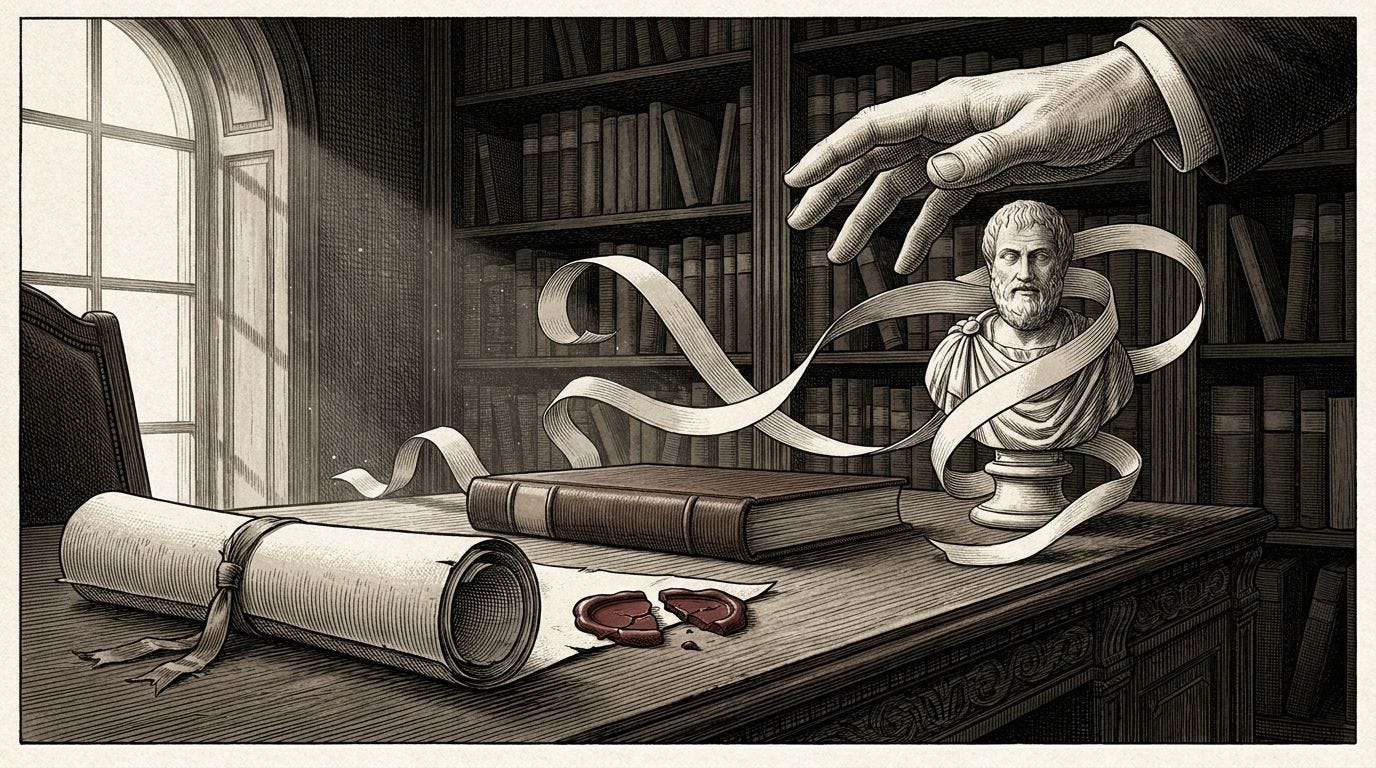
The issue was first addressed by the Delhi High Court in Mannu Bhandari v. Kala Vikas Pictures (1986). After novelist Mannu Bhandari sold the adaptation rights for her novel Aap Ka Bunty, the film version (Samay ki Dhara) made major departures from her story. Bhandari objected, and the court affirmed that assigning rights to adapt a work does not erase an author’s moral rights under Section 57 of the Copyright Act. A contract alone cannot override an author’s protection against the distortion or mutilation of their work.
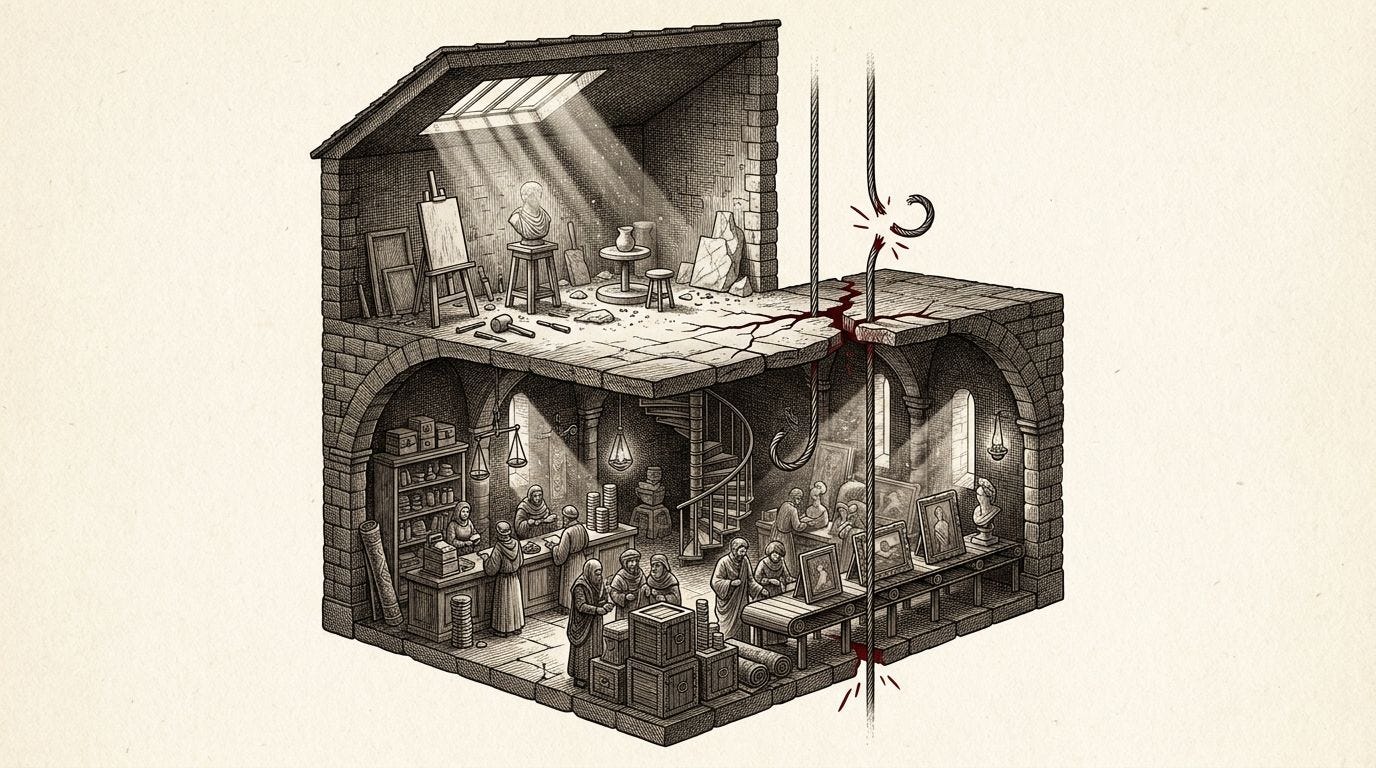
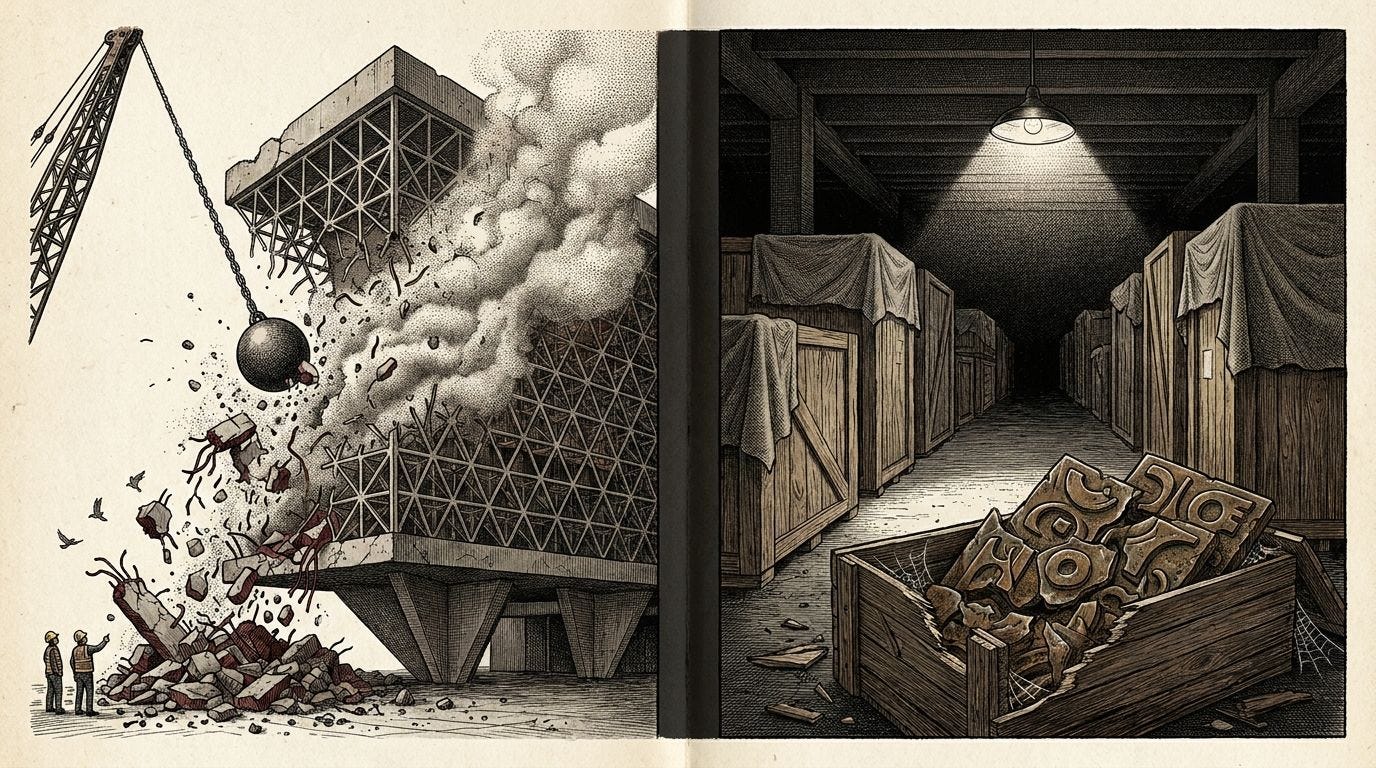
Almost two decades later, Amar Nath Sehgal v. Union of India (2005) pushed the doctrine even further. Sculptor Amar Nath was commissioned by the Indian government to build a massive bronze mural for Delhi’s Vigyan Bhawan. Decades after its installation, the government dismantled the artwork and dumped it in a storeroom, causing extensive damage. The Delhi High Court expanded Section 57 to rule that total destruction is the ultimate form of mutilation. It ordered the government to pay damages and return the mural’s remnants, granting Sehgal the sole right to recreate his creation.
The legal ground shifted dramatically in Raj Rewal v. Union of India (2019). Architect Raj Rewal challenged the demolition of Delhi’s iconic Hall of Nations after the government slated the site for redevelopment. Though the structure was demolished before the main suit was decided, Rewal sued to force the government to rebuild it under Section 57. Despite striking parallels with Sehgal, the Delhi High Court reached a starkly different conclusion: a landowner’s constitutional right to property trumps an architect’s statutory moral rights. What cannot be seen, the court reasoned, cannot damage an author’s reputation.
This tension extends directly to whether a creator can sign away their right to attribution. In Sartaj Singh Pannu v. Gurbani Media (2015), the director of Nanak Shah Fakir sought to halt the film’s release unless credited as sole director, despite having signed away that right. Finding no proof of coercion, the Delhi High Court ruled that voluntary waivers of moral rights are legally enforceable. This creates a glaring contradiction: while Mannu Bhandari held that contracts cannot erase Section 57 rights, Pannu confirmed that creators can simply agree to surrender them.
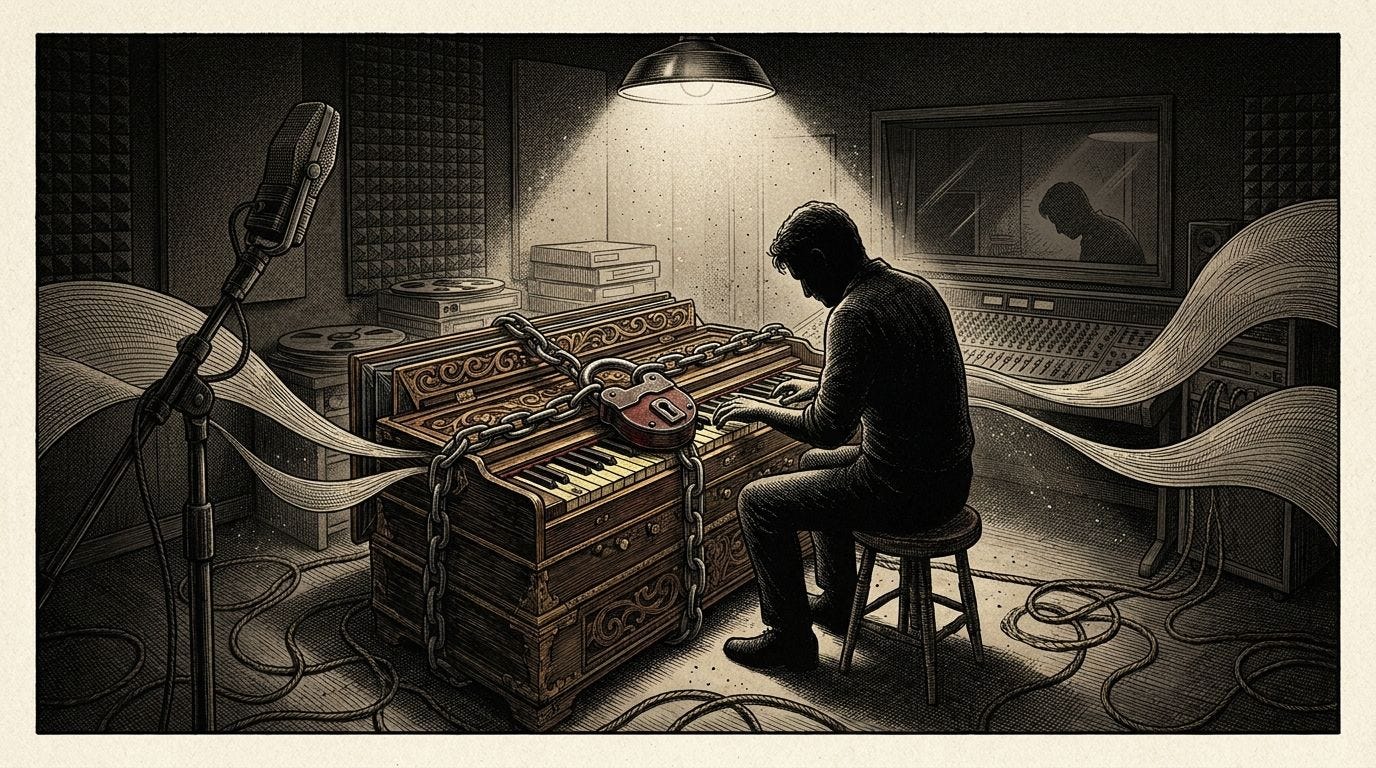
Matters of the modern music industry blur these lines even further. Legendary composer Ilaiyaraaja has spent years locked in multi-court copyright battles across the Madras, Bombay, and Delhi High Court, as well as the Supreme Court. Pitted against industry giants like Sony Music and Saregama over decades of his film music, the litigation has produced conflicting conclusions on moral rights versus commercial ownership. The irony is striking: despite courts affirming his moral rights as an author, legal injunctions currently bar him from licensing sound recordings of his own catalogue.
A composer whose moral rights have been affirmed by the law, is currently unable to use his own music, and this contradiction is the whole point. Moral rights can exist even if economic ownership has moved elsewhere. However, having moral rights does not always mean having complete control over the commercial exploitation of their work. The bottom line here is, moral rights are not a replacement for copyright ownership.
Looking abroad, the law is adapting faster than in India. In April 2026, the Court of Justice of the European Union (CJEU) ruled in Pelham II that unauthorized music sampling can be lawful under the “pastiche” exception - provided it engages in a recognisable creative dialogue with the original work. Indian copyright law, by contrast, lags behind. Section 52 of the Copyright Act offers no equivalent statutory protection for pastiche or sampling, leaving Indian remix artists and producers on far shakier legal ground.
For independent artists and producers, the takeaway is clear: moral rights aren’t an all-powerful shield, and commercial ownership isn’t the whole story. Instead, copyright ownership and moral rights operate as two distinct, overlapping layers - each with its own set of rules, exceptions, and gray areas.
The biggest mistake creators make is assuming that securing one automatically guarantees the other.