
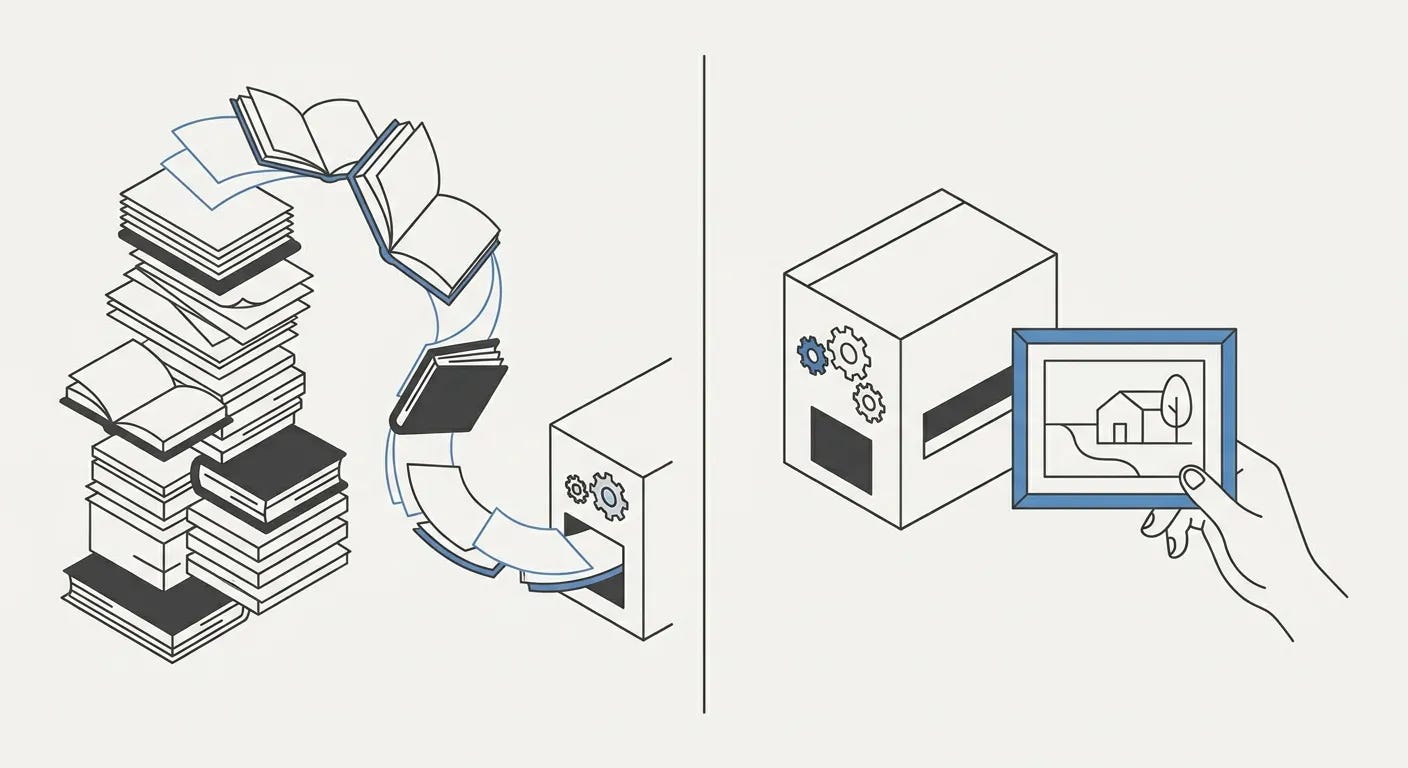
A generative model can be trained entirely lawfully and still hand you an infringement. That is not a technicality. It is two distinct acts of reproduction – the ingestion of a corpus by a developer, and the generation of an output by you – and Indian law will look at them separately.
Start with the mechanic, because it explains everything that follows. Ask an image tool for a cartoon beagle and you get a dog. Ask for the same dog by naming a well-known character and the tool suddenly knows the round head, the black ear, the stance. It knows because that name sat beside thousands of near-identical drawings while the model was learning. Professor Matthew Sag called this the Snoopy Problem, and his formulation is worth quoting exactly: the more abstractly a copyrighted work is protected, the more likely it is that a generative model will copy it.
Read that twice.
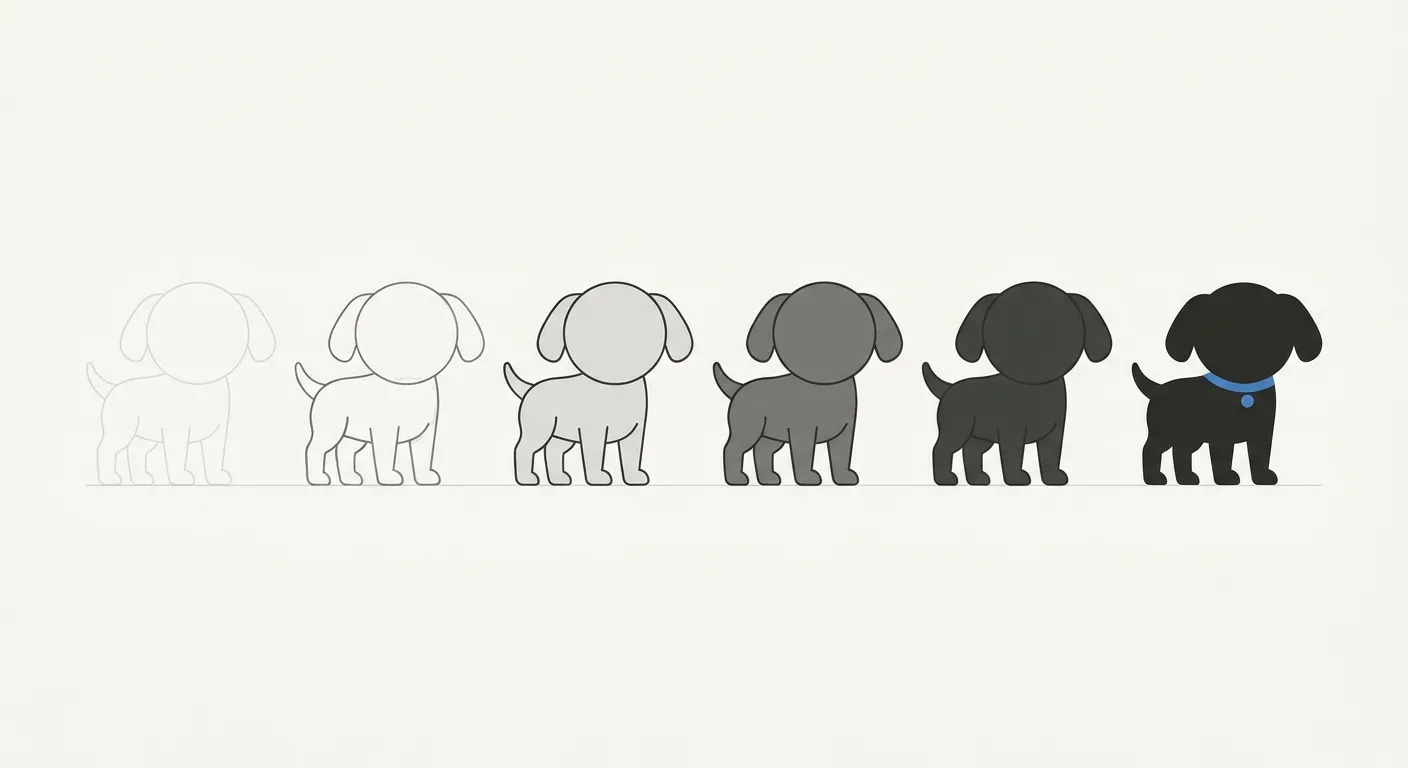
Because it inverts what most people assume about IP risk. Regurgitation of a specific training image is rare when prompts are random. It stops being rare the moment a prompt contains a proper noun. Marketers name things for a living.
“But I didn’t copy any original image”
That defence tends to fail for a structural reason rather than a moral one. Where a character is protectable in its own right, the owner does not have to put a particular panel, frame or still in front of the court and show that you copied it. The claim runs on the character. Your different background, palette and composition stop doing the work you thought they were doing.
In India this is judge-made and less settled than most commentary admits. Raja Pocket Books v. Radha Pocket Books restrained a near-identical Nagraj knock-off. Arbaaz Khan Production v. Northstar Entertainment accepted the principle that a fully developed, uniquely delineated character can be protected, and then refused interim relief, because what was pointed to amounted to stock generalities. Star India v. Leo Burnett is the counterweight: for character merchandising the character must first have earned independent public recognition. The test the courts keep returning to is delineation plus recognition. Which is, unhelpfully, precisely the quality that makes a character easy for a model to learn.
Lawful training is not lawful output
This is where the July 2026 ruling gets misread. In ANI Media v. OpenAI (CS(COMM)1028/2024), Justice Amit Bansal refused ANI’s interim injunction. Storing content for training was held, prima facie, to be fair dealing under section 52(1)(a)(i) read with its Explanation. The outputs complained of were held not to be substantially similar to ANI’s articles. The court also took territorial jurisdiction over OpenAI despite its servers sitting abroad, and confirmed that publishing news freely online does not forfeit copyright in it.
One line in that reasoning should concern brands more than the headline did: the court treated the threshold for substantial similarity in factual news expression as higher than for creative works. So the output claim failed on similarity, and similarity is the axis on which a delineated character, a registered mark or a recognisable persona is easiest to hit. A news agency asserting the expression of facts was arguing uphill. A studio asserting a mascot is not.
And note the status of the thing being cited: an interim order, in a suit that continues, appealable. On the policy side, DPIIT’s working paper of December 2025

deals with the input, i.e., the blanket licensing for training. Part II is scoped to the authorship and protection of AI outputs. Nobody in India has promised a treatment of output liability at all.
What happens when you hit publish
If you wrote the prompt, approved the output, published it and are making money from it, you are the party with an Indian address and a bank account. That is who receives the notice.
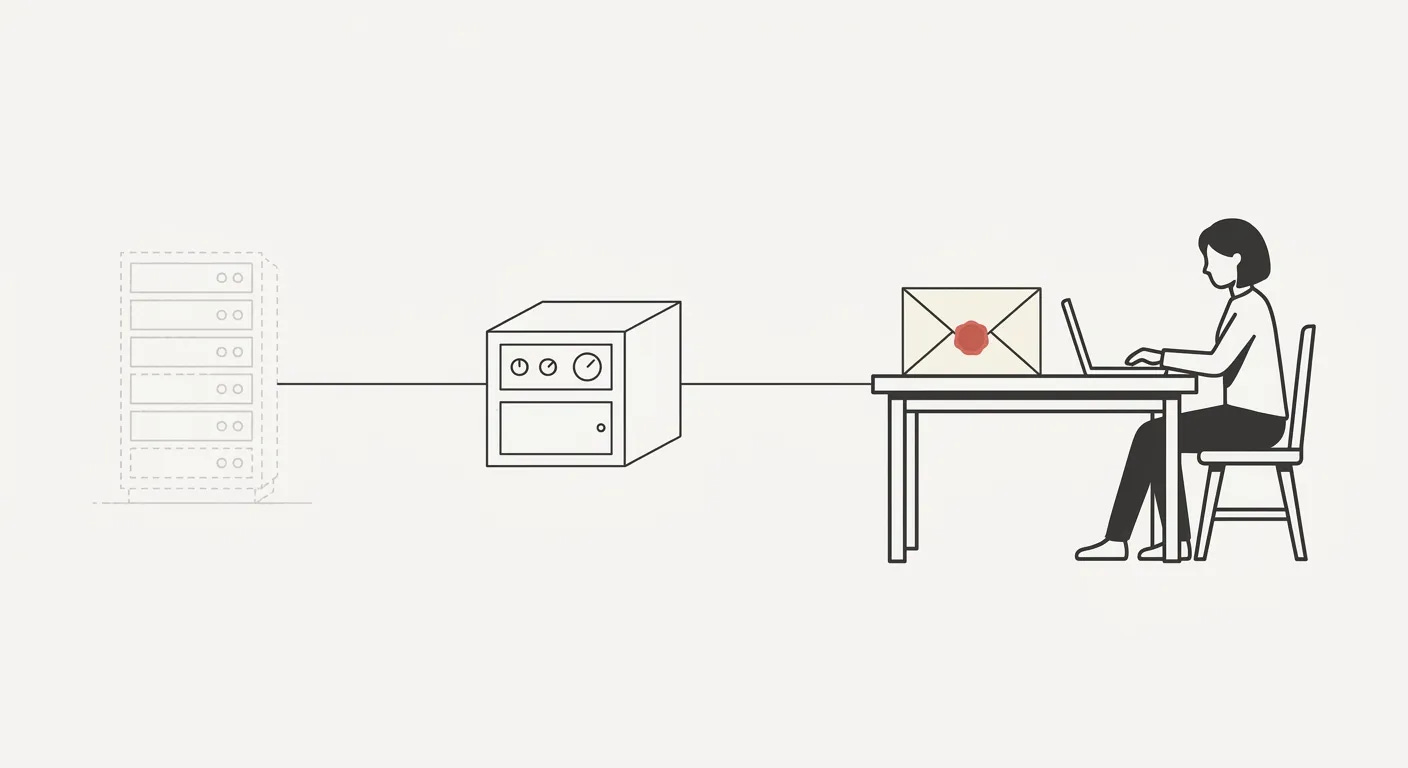
The brand or agency doing the publishing carries the heavier exposure, because publication adds communication to the public and, where a mark is in the frame, use in the course of trade. “I had no idea that character existed” is a plea on damages, not a defence: under section 135(3)(b) of the Trade Marks Act, innocence of a registered mark can bar damages beyond nominal damages and an accounts of profits, but the injunction and delivery-up still run. The asset still comes down. The campaign still stops.
Personality rights are the layer with the sharpest Indian teeth, and the one a creator-economy client is most likely to meet from either side. Anil Kapoor’s catchphrase, Arijit Singh’s vocal style, where the Bombay High Court held that making available a voice-conversion tool is itself a violation. The operative test is identifiability, not stardom. If the audience can name the person from the attribute, the attribute is protected, and a synthetic “inspired by” spokesperson is not a workaround; it is the fact pattern.
Two honest qualifications, because a piece that sells personality rights as an automatic win is selling. These orders are evidence-driven. For instance, in July 2026 the Delhi High Court deferred a cricketer’s plea for want of material. And practitioners consistently report that such injunctions are easier to obtain than to enforce against anonymous or offshore infringers. If you are the one defending, that is no comfort whatsoever: enforcement reaches the identifiable Indian publisher first, precisely because it can.
None of this liability softens because no human drew the thing by hand.
Five questions before you publish
Would a stranger with no context recognise what this is based on?
If the honest answer is “yes, obviously”, go back to the prompt and strip out proper nouns and named-artist style references. If the output is a name, tagline or logo you intend to use as a brand, run a trade mark availability search before it goes anywhere near a launch.
Is a real person identifiable, and do you have consent on record?
A face, a name, a voice, a gesture, a catchphrase. Identifiability is the test, not fame. If the resemblance is caught conveniently by colleagues or friends who viewed it in confidence, kill the asset. For synthetic presenters, keep the reference set documented and get written consent for any real human input.
Is there a mark hiding in the frame?
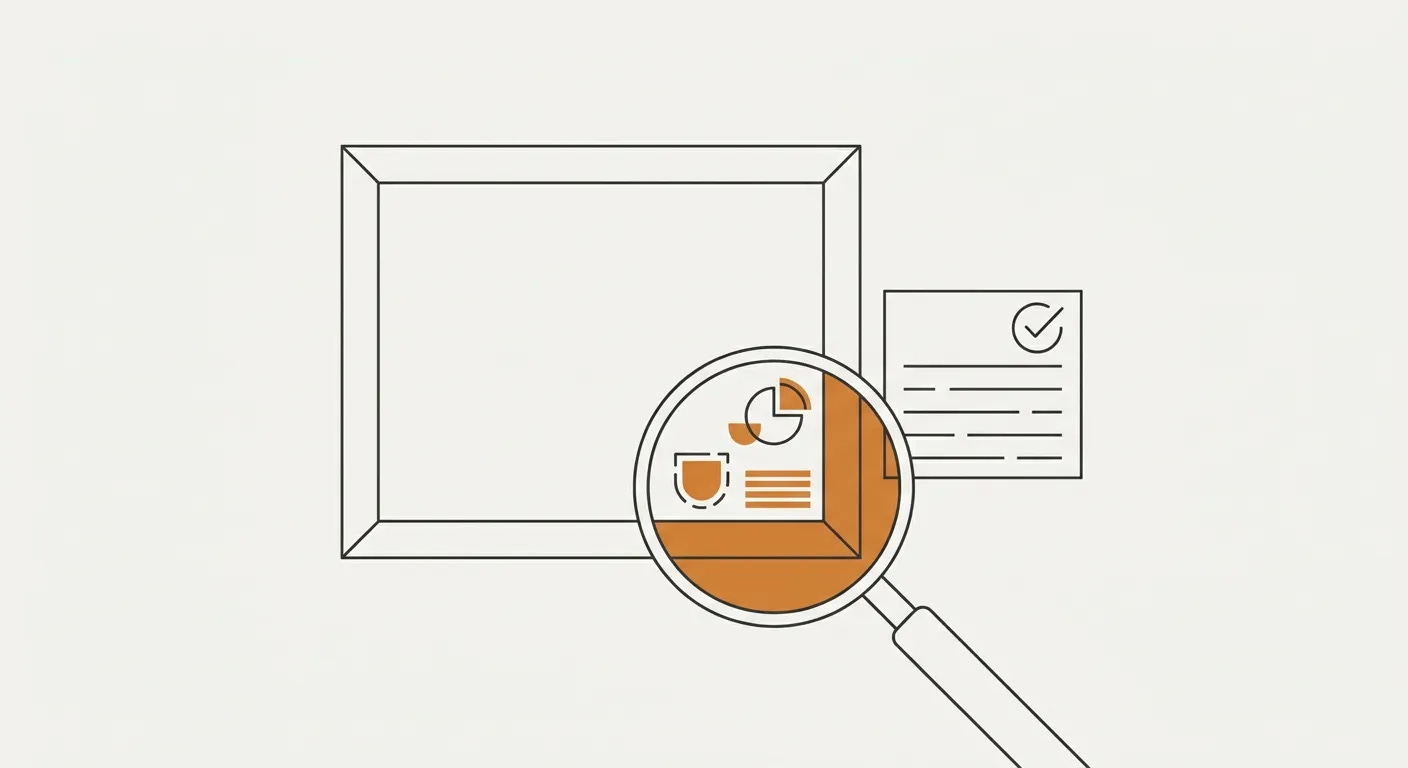
Distorted watermarks, a half-formed logo on a bottle, a jersey, a shopfront silhouette. This is what Getty won on in the English High Court in November 2025, and here the accuracy matters. The court found infringement on the identical and similar-mark limbs and rejected the dilution limb. In India, section 29(4) of Trade Marks Act states that dilution needs no proof of confusion, but it does need a mark with reputation in India plus detriment or unfair advantage, and our courts apply those elements strictly and cumulatively. Zoom to 200%, sweep the edges of the frame, reverse-image-search the final asset rather than the prompt.
What does your plan actually cover and does the cover survive your designer?
Output indemnities exist, but not where most people are working. OpenAI’s Copyright Shield is limited to ChatGPT Enterprise and the API. Adobe’s Firefly indemnity is the broadest in scope, reaching copyright, trade mark, publicity and privacy claims, but it is a purchased entitlement with an exclusion list including outputs you modify or combine with other material, and its partner-model coverage is narrower still. Shutterstock indemnifies enterprise customers on request, after human review of the specific image. What no provider offers is output indemnity on a free or consumer tier, which is the tier almost every founder and creator is actually on.
Do you have a provenance trail?
Tool, model version, prompt, date, human edits, who signed off. Four lines saved with the asset. It is your evidence of editorial control if the output is ever questioned. And the only way you will be able to show the human authorship that any future ownership claim depends on.
The part that should annoy you
The rights that look weakest on paper are the strongest against a generative model, because abstraction is exactly what a model learns well. And the exposure runs one way. After the US Supreme Court declined to hear Thaler v. Perlmutter in March 2026, purely machine-generated output has no human author and no US Copyright; India’s Copyright Act has no AI author either. You can be sued over an asset you do not own and cannot stop a competitor from reusing.
None of that is an argument for keeping AI out of your workflow. It is an argument for ten minutes of friction before you publish. Until an Indian court rules squarely on output infringement of creative expression, five questions and a saved provenance block are the difference between a bad afternoon and a bad quarter.